
Introduction
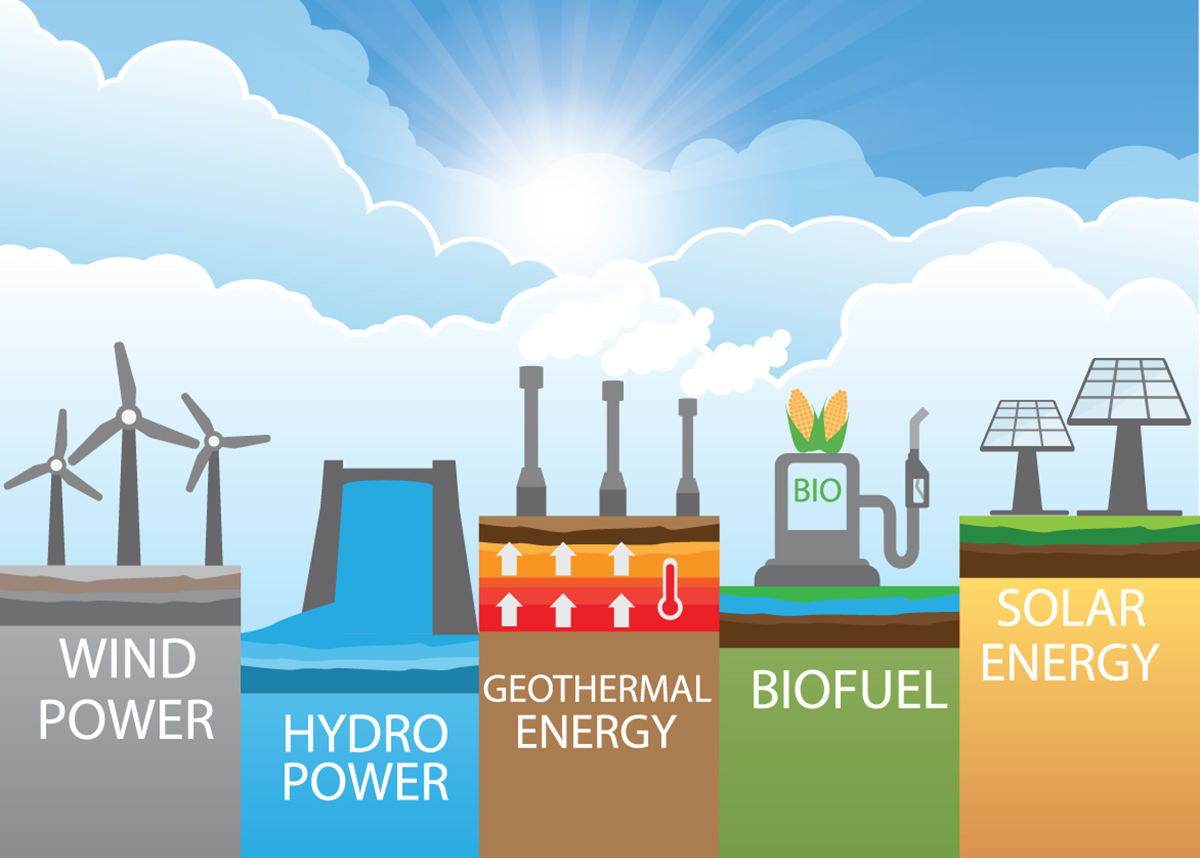
The global energy market is rapidly evolving. With increasing environmental concerns and government regulations, alternative fuels like biofuels, hydrogen, and LNG are gaining traction. For storage and logistics companies, adapting to these new energy sources is not just an opportunity—it’s a necessity to remain relevant in a shifting market.
The Rise of Alternative Fuels
Alternative fuels offer lower carbon emissions and cleaner energy solutions compared to traditional petroleum products. Some key examples include:
- Biofuels: Renewable fuels derived from plants or waste materials.
- Hydrogen: A zero-emission fuel with growing applications in transport and industry.
- Liquefied Natural Gas (LNG): Cleaner-burning than conventional fuels, increasingly used in shipping and energy generation.
As demand for these fuels rises, storage and logistics operators must invest in specialized infrastructure to handle them safely and efficiently.
How Storage Facilities Are Adapting
- Specialized Tanks and Containment Systems:
Alternative fuels often have unique chemical properties requiring dedicated storage tanks, corrosion-resistant materials, and strict temperature controls. - Safety Protocols and Staff Training:
Handling hydrogen or biofuels safely requires updated safety measures, emergency protocols, and specialized staff training to prevent accidents and maintain product integrity. - Flexible Operations:
Many facilities are implementing multi-product storage solutions, allowing them to store both conventional fuels and alternative fuels without cross-contamination. - Technology Integration:
IoT sensors, automated monitoring systems, and real-time data analytics are critical for tracking product quality, inventory, and transfer operations for alternative fuels.
The Business Opportunity
Facilities that invest early in alternative fuel capabilities can capture new markets and support the global transition to cleaner energy. It also positions storage providers as innovators in energy logistics, strengthening client relationships and long-term competitiveness.
Conclusion
The future of energy storage is diversifying. Storage operators that adapt to alternative fuels with advanced infrastructure, safety practices, and technology will lead the market, ensuring reliable supply chains while supporting a more sustainable energy future.