
Uncategorized

How Technology is Transforming the Global Petroleum Supply Chain

Introduction
The petroleum and energy storage industry is undergoing a technological revolution. From refining and storage to logistics and global distribution, modern technologies are reshaping the way energy products are managed. For storage and logistics providers, adopting these innovations is no longer optional—it’s essential to remain competitive, efficient, and safe.

Digitalization in Storage Operations

  1. Real-Time Monitoring:
    IoT-enabled sensors provide instant data on tank levels, temperature, pressure, and product quality, allowing operators to respond immediately to deviations.
  2. Automated Control Systems:
    Automation ensures precise transfers, filling, and emptying operations, reducing human error and improving overall efficiency.
  3. Predictive Maintenance:
    AI-powered analytics predict potential equipment failures, enabling preventive maintenance before costly downtime occurs.

Enhancing Logistics and Supply Chain Efficiency

  • Integrated Tracking Systems: GPS and RFID tracking of shipments allows real-time visibility from storage to delivery, reducing delays and improving inventory management.
  • Optimized Routing: Advanced logistics software helps plan the most efficient routes for tank-to-vessel and vessel-to-vessel operations, saving time and reducing fuel consumption.
  • Data-Driven Decision Making: Big data analytics help companies forecast demand, plan capacity, and optimize storage utilization across multiple global terminals.

Improving Safety and Compliance
Technology also strengthens safety and regulatory compliance:

  • Automated alarms and emergency systems reduce operational risks.
  • Digital records streamline regulatory reporting for international maritime and petroleum storage standards.
  • Remote monitoring minimizes the need for on-site personnel in high-risk areas, reducing exposure to hazards.

Sustainability Through Technology
Modern innovations also support environmental goals:

  • Reduced emissions via optimized operations and vapor recovery systems.
  • Energy-efficient pumps, lighting, and controls minimize carbon footprint.
  • Enhanced leak detection prevents spills and environmental contamination.

Conclusion
Technology is transforming the petroleum supply chain by making operations smarter, safer, and more efficient. Companies that embrace digital tools, automation, and data-driven decision-making gain a competitive edge while ensuring safety, compliance, and sustainability. In a fast-evolving energy market, technology is not just a convenience—it’s the backbone of modern, resilient, and responsible petroleum storage and logistics operations.
Uncategorized

The Importance of Risk Management in Energy Storage Operations

Introduction

Energy storage and logistics are inherently high-stakes operations. From storing petroleum and refined fuels to transferring products between tanks and vessels, every step carries potential risks. Effective risk management is essential—not only to protect personnel and the environment but also to ensure business continuity and operational efficiency.

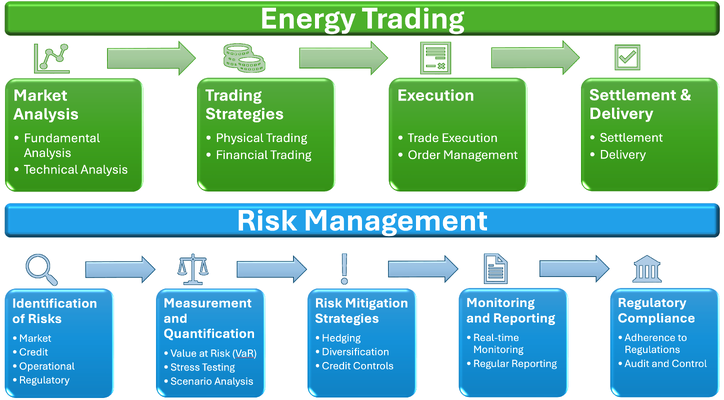
Types of Risks in Energy Storage

  1. Operational Risks: Equipment failures, human errors, or procedural lapses can disrupt storage and transfer operations.
  2. Environmental Risks: Spills, leaks, and emissions can lead to regulatory penalties and environmental damage.
  3. Safety Risks: Flammable products and pressurized systems pose hazards to personnel and infrastructure.
  4. Market and Supply Risks: Fluctuating demand, supply chain delays, and regulatory changes can impact operations and profitability.

How Risk Management Protects Operations

  1. Preventive Measures:
    Advanced monitoring, predictive maintenance, and strict standard operating procedures minimize the likelihood of incidents.
  2. Emergency Response Plans:
    Facilities are equipped with fire suppression systems, spill containment, and evacuation protocols to respond quickly in emergencies.
  3. Compliance and Audits:
    Adherence to international standards such as IMO regulations, environmental laws, and petroleum storage guidelines ensures operational reliability and regulatory compliance.
  4. Staff Training:
    Continuous training ensures employees understand hazards, operate safely, and respond effectively to potential risks.

Technology-Driven Risk Management
Modern energy storage operators leverage IoT sensors, AI analytics, and automated monitoring systems to detect early warning signs of equipment failure, leaks, or temperature deviations. This real-time insight allows proactive intervention, reducing downtime and preventing costly incidents.

The Business Case for Risk Management
Companies with robust risk management frameworks experience fewer accidents, lower operational disruptions, and better regulatory compliance. It also enhances client confidence, demonstrating reliability and professionalism.

Conclusion
In the energy storage industry, risk is unavoidable—but proper planning, technology, and training turn risk into manageable operations. Facilities that prioritize comprehensive risk management ensure the safety of personnel, products, and the environment while maintaining efficient, reliable, and resilient operations.

Uncategorized

The Future of Alternative Fuels and How Storage Facilities Are Adapting

Introduction
The global energy market is rapidly evolving. With increasing environmental concerns and government regulations, alternative fuels like biofuels, hydrogen, and LNG are gaining traction. For storage and logistics companies, adapting to these new energy sources is not just an opportunity—it’s a necessity to remain relevant in a shifting market.

The Rise of Alternative Fuels
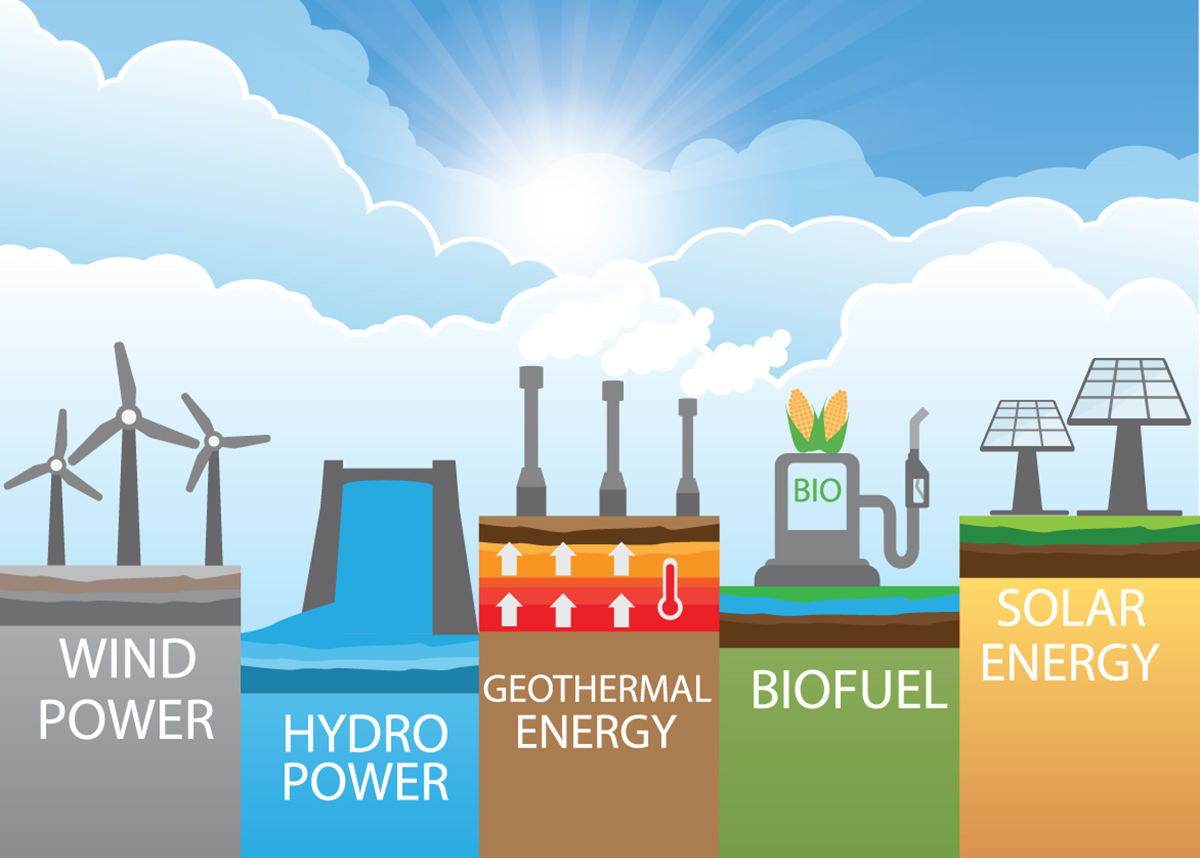
Alternative fuels offer lower carbon emissions and cleaner energy solutions compared to traditional petroleum products. Some key examples include:

  • Biofuels: Renewable fuels derived from plants or waste materials.
  • Hydrogen: A zero-emission fuel with growing applications in transport and industry.
  • Liquefied Natural Gas (LNG): Cleaner-burning than conventional fuels, increasingly used in shipping and energy generation.

As demand for these fuels rises, storage and logistics operators must invest in specialized infrastructure to handle them safely and efficiently.

How Storage Facilities Are Adapting

  1. Specialized Tanks and Containment Systems:
    Alternative fuels often have unique chemical properties requiring dedicated storage tanks, corrosion-resistant materials, and strict temperature controls.
  2. Safety Protocols and Staff Training:
    Handling hydrogen or biofuels safely requires updated safety measures, emergency protocols, and specialized staff training to prevent accidents and maintain product integrity.
  3. Flexible Operations:
    Many facilities are implementing multi-product storage solutions, allowing them to store both conventional fuels and alternative fuels without cross-contamination.
  4. Technology Integration:
    IoT sensors, automated monitoring systems, and real-time data analytics are critical for tracking product quality, inventory, and transfer operations for alternative fuels.

The Business Opportunity
Facilities that invest early in alternative fuel capabilities can capture new markets and support the global transition to cleaner energy. It also positions storage providers as innovators in energy logistics, strengthening client relationships and long-term competitiveness.

Conclusion
The future of energy storage is diversifying. Storage operators that adapt to alternative fuels with advanced infrastructure, safety practices, and technology will lead the market, ensuring reliable supply chains while supporting a more sustainable energy future.

Uncategorized

The Role of Sustainable Practices in the Petroleum Storage Industry

Introduction
As the world moves toward greener and more sustainable energy practices, even traditional petroleum storage and logistics companies are embracing change. While petroleum products remain essential for global energy, minimizing environmental impact and adopting sustainable practices is no longer optional—it’s a necessity. Modern storage facilities are leading the way by implementing innovative strategies that combine operational efficiency with environmental responsibility.

Why Sustainability Matters in Storage
Petroleum and energy storage can have significant environmental risks, including emissions, leaks, and contamination. Sustainable practices help reduce these risks while ensuring compliance with international regulations, protecting both communities and ecosystems. For businesses, adopting sustainability measures also improves brand reputation and meets growing investor and consumer expectations.

Key Sustainable Practices in Storage Facilities

  1. Vapor Recovery Systems (VRS):
    Vapors released during storage and transfers are captured and recycled, reducing volatile organic compound (VOC) emissions and improving air quality.
  2. Energy-Efficient Infrastructure:
    Modern terminals are adopting LED lighting, solar-powered pumps, and smart temperature controls to reduce energy consumption while maintaining operational efficiency.
  3. Spill Prevention and Response Systems:
    Advanced containment systems, leak detection, and emergency response protocols help minimize environmental impact in case of accidental spills.
  4. Sustainable Materials and Construction:
    Facilities are increasingly using eco-friendly construction materials, corrosion-resistant coatings, and modular tank designs to extend lifespan while lowering environmental footprint.

The Business Case for Sustainability
Investing in sustainability doesn’t just protect the environment—it also improves operational efficiency, reduces long-term costs, and mitigates regulatory risks. Companies that implement sustainable practices often see improved reliability, fewer disruptions, and stronger relationships with stakeholders and customers.

Future Outlook
The petroleum storage industry is gradually aligning with global sustainability goals. Emerging technologies such as IoT-enabled monitoring, AI for predictive maintenance, and automated energy management systems are making it easier for companies to operate safely, efficiently, and sustainably.

Conclusion
Sustainability in petroleum storage is no longer a buzzword—it’s a critical component of modern operations. By adopting eco-friendly practices, advanced technologies, and rigorous safety protocols, storage operators can deliver energy responsibly, protect the environment, and stay competitive in an evolving industry. Companies that embrace sustainability today are shaping the future of energy storage for generations to come.

Uncategorized

The Future of Global Energy Storage: Trends and Innovations

Introduction
The global energy landscape is evolving rapidly, driven by increasing demand for petroleum products, LNG, and other refined fuels. As industries expand and supply chains grow more complex, the need for efficient, safe, and technologically advanced energy storage solutions has never been greater. Modern tank storage facilities are not just holding products—they’re integrating innovations that improve safety, operational efficiency, and environmental sustainability.

Emerging Technologies in Storage

  1. Smart Monitoring and Automation:
    Modern storage tanks are equipped with advanced sensors and automated control systems that monitor temperature, pressure, and volume in real-time. This ensures optimal product quality while reducing human error.
  2. Environmentally Friendly Solutions:
    Energy storage facilities are increasingly adopting low-emission designs, vapor recovery systems, and sustainable construction materials to reduce environmental impact and comply with global standards.
  3. Predictive Maintenance:
    Using IoT and AI technologies, operators can predict equipment failures and maintenance needs, minimizing downtime and enhancing operational efficiency.

Global Trends Shaping the Industry

  • Strategic Terminal Locations: Terminals in key global hubs—like Rotterdam, Houston, and Jurong—allow efficient import/export and supply chain flexibility.
  • Flexible Storage Options: Companies now offer short-term and long-term storage solutions to accommodate fluctuating demand and market dynamics.
  • Integration with Logistics: Storage facilities increasingly serve as logistics hubs, supporting tank-to-tank, tank-to-vessel, and vessel-to-vessel transfers, making supply chains seamless.

The Role of Safety and Compliance
Innovation is not only about technology—it also ensures strict adherence to safety standards. Modern facilities comply with international maritime regulations, environmental laws, and petroleum storage standards, safeguarding people, products, and the planet.

Conclusion
The future of global energy storage lies in smart, sustainable, and integrated solutions. By combining advanced technology, rigorous safety protocols, and strategic logistics planning, energy storage providers can meet growing global demands efficiently and responsibly. Businesses and industries that partner with innovative storage providers gain flexibility, reliability, and peace of mind, ensuring that energy flows smoothly in an increasingly complex world.