Introduction
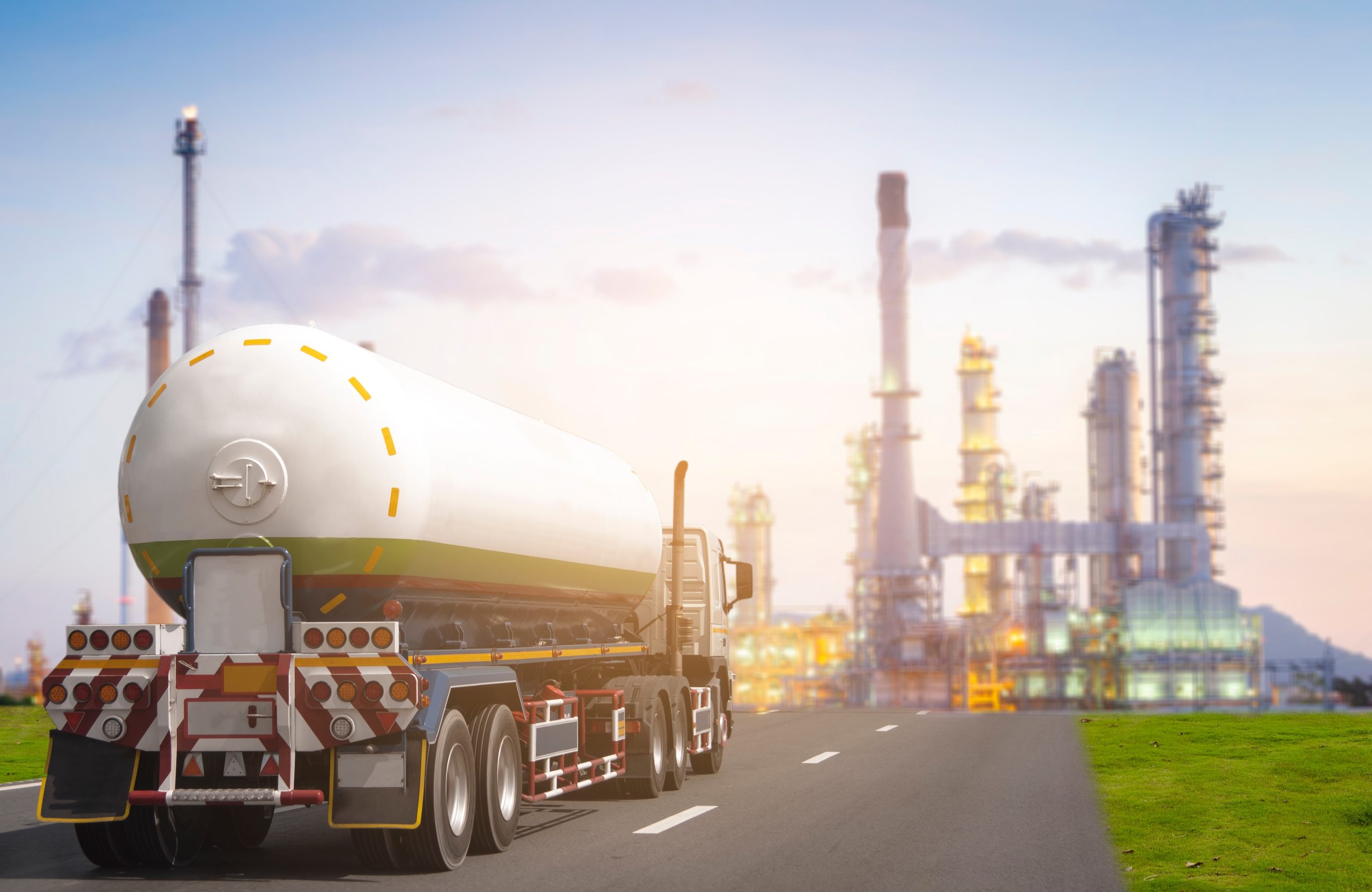
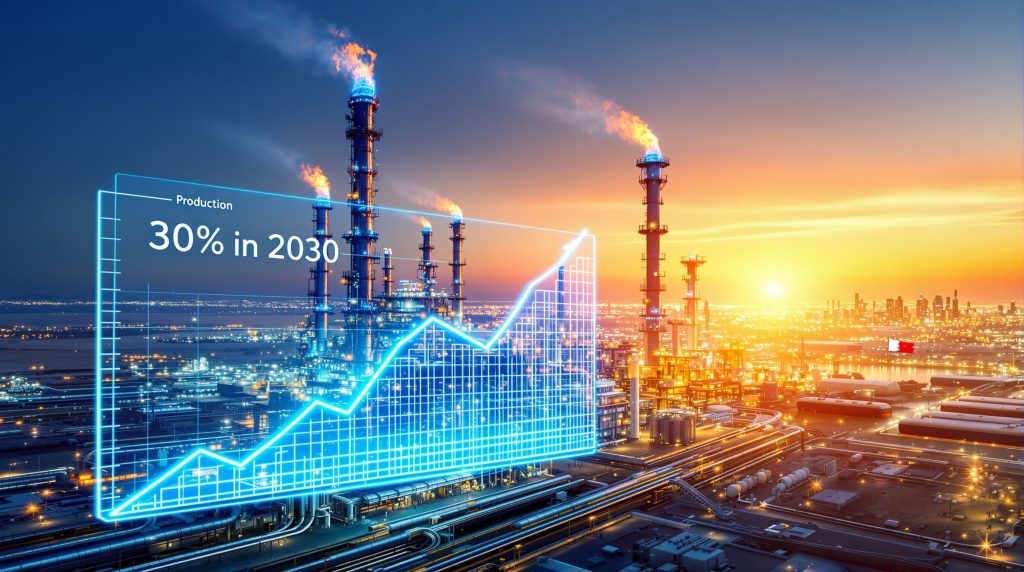
The petroleum and energy storage industry is undergoing a technological revolution. From refining and storage to logistics and global distribution, modern technologies are reshaping the way energy products are managed. For storage and logistics providers, adopting these innovations is no longer optional—it’s essential to remain competitive, efficient, and safe.
Digitalization in Storage Operations
- Real-Time Monitoring:
IoT-enabled sensors provide instant data on tank levels, temperature, pressure, and product quality, allowing operators to respond immediately to deviations. - Automated Control Systems:
Automation ensures precise transfers, filling, and emptying operations, reducing human error and improving overall efficiency. - Predictive Maintenance:
AI-powered analytics predict potential equipment failures, enabling preventive maintenance before costly downtime occurs.
Enhancing Logistics and Supply Chain Efficiency
- Integrated Tracking Systems: GPS and RFID tracking of shipments allows real-time visibility from storage to delivery, reducing delays and improving inventory management.
- Optimized Routing: Advanced logistics software helps plan the most efficient routes for tank-to-vessel and vessel-to-vessel operations, saving time and reducing fuel consumption.
- Data-Driven Decision Making: Big data analytics help companies forecast demand, plan capacity, and optimize storage utilization across multiple global terminals.
Improving Safety and Compliance
Technology also strengthens safety and regulatory compliance:
- Automated alarms and emergency systems reduce operational risks.
- Digital records streamline regulatory reporting for international maritime and petroleum storage standards.
- Remote monitoring minimizes the need for on-site personnel in high-risk areas, reducing exposure to hazards.
Sustainability Through Technology
Modern innovations also support environmental goals:
- Reduced emissions via optimized operations and vapor recovery systems.
- Energy-efficient pumps, lighting, and controls minimize carbon footprint.
- Enhanced leak detection prevents spills and environmental contamination.
Conclusion
Technology is transforming the petroleum supply chain by making operations smarter, safer, and more efficient. Companies that embrace digital tools, automation, and data-driven decision-making gain a competitive edge while ensuring safety, compliance, and sustainability. In a fast-evolving energy market, technology is not just a convenience—it’s the backbone of modern, resilient, and responsible petroleum storage and logistics operations.