
Introduction
Energy storage and logistics are inherently high-stakes operations. From storing petroleum and refined fuels to transferring products between tanks and vessels, every step carries potential risks. Effective risk management is essential—not only to protect personnel and the environment but also to ensure business continuity and operational efficiency.
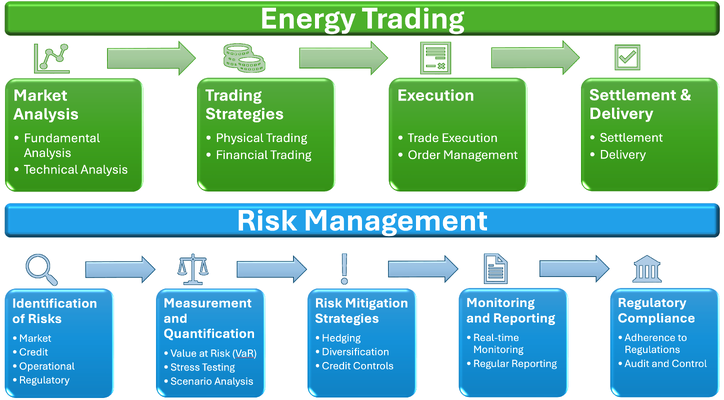
Types of Risks in Energy Storage
- Operational Risks: Equipment failures, human errors, or procedural lapses can disrupt storage and transfer operations.
- Environmental Risks: Spills, leaks, and emissions can lead to regulatory penalties and environmental damage.
- Safety Risks: Flammable products and pressurized systems pose hazards to personnel and infrastructure.
- Market and Supply Risks: Fluctuating demand, supply chain delays, and regulatory changes can impact operations and profitability.
How Risk Management Protects Operations
- Preventive Measures:
Advanced monitoring, predictive maintenance, and strict standard operating procedures minimize the likelihood of incidents. - Emergency Response Plans:
Facilities are equipped with fire suppression systems, spill containment, and evacuation protocols to respond quickly in emergencies. - Compliance and Audits:
Adherence to international standards such as IMO regulations, environmental laws, and petroleum storage guidelines ensures operational reliability and regulatory compliance. - Staff Training:
Continuous training ensures employees understand hazards, operate safely, and respond effectively to potential risks.
Technology-Driven Risk Management
Modern energy storage operators leverage IoT sensors, AI analytics, and automated monitoring systems to detect early warning signs of equipment failure, leaks, or temperature deviations. This real-time insight allows proactive intervention, reducing downtime and preventing costly incidents.
The Business Case for Risk Management
Companies with robust risk management frameworks experience fewer accidents, lower operational disruptions, and better regulatory compliance. It also enhances client confidence, demonstrating reliability and professionalism.
Conclusion
In the energy storage industry, risk is unavoidable—but proper planning, technology, and training turn risk into manageable operations. Facilities that prioritize comprehensive risk management ensure the safety of personnel, products, and the environment while maintaining efficient, reliable, and resilient operations.